Key Takeaways:
- A hair loss medication prescription almost always means finasteride, minoxidil, or a combination of the two, decided after your provider examines your scalp.
- Minoxidil is sold over the counter, but a hair loss-related prescription usually points to a higher-strength topical or an oral tablet version.
- Side effects depend on the drug. Finasteride carries a small sexual side effect risk, and minoxidil’s problems are mostly scalp irritation and stray hair growth.
- Many surgeons ask their patients to take minoxidil after hair transplant surgery, though starting too early can irritate the incisions. So timing follows the surgeon’s lead, not the label.
Ask five people what a hair loss medication prescription actually gets you and expect five different answers. Some assume it’s just a stronger version of what’s already sitting on a drugstore shelf. Others picture something else entirely, a whole different class of drug. Neither guess is quite right.
The two hair loss medications doctors reach for most, finasteride and minoxidil, work in completely different ways for correcting hair loss. Each medication has different side effects, but getting a prescription usually means a thorough consultation with a provider who will first look at your scalp.
Bloodwork sometimes factors in too, depending on what else might be part of your medical history. Your doctor will also consider age, how far the thinning has progressed, family history, and whether someone’s already had or is planning a transplant. All of it shapes what actually gets written on the prescription pad, so here’s everything you need to know going into your first hair loss consultation.
Finasteride: Why It’s Usually the Top Prescription Medication for Hair Loss
A finasteride prescription is typically the first stop for men noticing early thinning, and for good reason. Finasteride blocks the enzyme that turns testosterone into DHT, the hormone mostly responsible for shrinking follicles in the male pattern baldness cycle after cycle.
Take the pill daily, usually at 1mg, and shedding tends to slow within a few months. Actual regrowth, when it happens, shows up closer to six months for some people. There’s also a topical version, for anyone who wants the DHT-blocking effect without sending it through the whole bloodstream.
One thing nobody likes to mention is that the benefits of this hair loss medication only last as long as your prescription. Stop taking it, and the clock resets pretty much back to zero.
Minoxidil Isn’t Always Over the Counter
Here’s where people get confused. Minoxidil is the same active ingredient sold under store brands and generic labels next to Rogaine. These don’t require a prescription and are often at 2% to 5% strength. So why would anyone choose minoxidil over them?
Because a hair loss medication like minoxidil usually means something different from the store version: a higher-concentration topical, an oral tablet, or a compounded mix that includes finasteride or spironolactone.
Oral minoxidil in particular has picked up real momentum lately. It doesn’t foam or leave a greasy residue at the hairline, though it does come with its own list of things a doctor has to monitor.
Side Effects of Popular Prescription Hair Loss Medications, By Drug
Hair loss medication side effects aren’t the same across the board, and lumping them together does patients a disservice.
-
Finasteride
Finasteride’s biggest concern, and usually the first question anyone asks, is a small risk of depressed mood and sexual side effects like lower libido and erectile difficulty. The numbers range from 1% to 4%, and most cases clear up when you stop the medication.
-
Minoxidil
Minoxidil’s problems lie elsewhere. Scalp irritation, itching, and unwanted hair sprouting on the cheeks or neck are possible side effects if the drug travels past where it’s supposed to stay.
Oral minoxidil adds a couple more things to watch for, including fluid retention and a faster resting heart rate for some patients. This is why providers often check blood pressure before writing a prescription for this hair loss medication.
Using Minoxidil After Hair Transplant Surgery
Plenty of surgeons build minoxidil into the recovery plan after hair transplant surgery to support the grafts while they’re settling in. Patients who use minoxidil after hair transplant procedures often see a shorter shedding phase. It also helps protect the native hair nearby that’s still thinning while the transplanted area catches up.
But timing is where people get it wrong. Start minoxidil after hair transplant surgery too early, and it can irritate healing incisions, so most surgeons hold off two to four weeks post-op, sometimes longer depending on the technique. No matter what the label says, follow your surgeon’s specific plan for hair loss medication as it probably also accounts for side effects.
A Few Other Prescription Medications for Hair Loss Worth Knowing About

Finasteride and minoxidil aren’t the only hair loss medications floating around. Dutasteride, originally approved for prostate issues, gets prescribed off-label when finasteride alone isn’t doing enough. Women facing hair loss are usually steered toward spironolactone instead, since finasteride carries risks that make it a poor fit for women of childbearing age.
However, none of these swap cleanly for each other, and stacking them without medical guidance tends to add side effects without improving results. Doctors do sometimes combine finasteride and minoxidil, though, since one works on hormones and the other on blood flow to the follicle.
None of these hair loss medications should be taken without a prescription. What works for one person’s hairline barely moves the needle for someone else’s, and pairing any of it with a transplant changes the math again. That’s why talking to a specialist at Northwest Hair Restoration is the fastest and safest option to figure out what fits.
Call Now To Request A Consultation
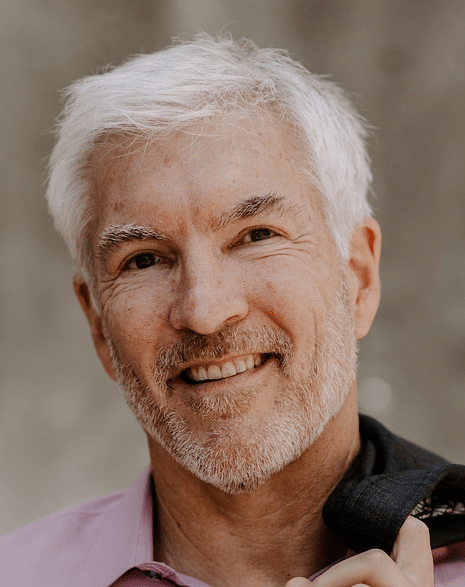
Dr. Robert Niedbalski has been helping patients with hair loss for over 25 years. His practice is dedicated to the very highest level of care and is successful thanks to a combination of attention to patient needs and support for his staff. He and his team at Northwest Hair Restoration serve Tacoma, Seattle, and Spokane.